The debut of Invincible on Amazon Prime as an animated series has sparked renewed enthusiasm for Robert Kirkman's iconic comic book world. Its blend of intense action, intricate characters, and ethically complex narratives has made it a standout hit among viewers.
Adapting such a dense and expansive story for television required adjustments, some minor and others more substantial.
This article delves into the primary distinctions between the animated series and the comics, evaluates why Season 3 didn't meet expectations, and assesses how these changes shape the broader narrative.
Table of ContentFrom Page to Screen: Key Differences Between the Animated Series and Comics Mark Grayson’s Journey: Compression vs. Gradual Growth Supporting Cast Dynamics: Who Gets More Screen Time? Antagonists: Simplified Motivations for Pacing Action Sequences: Enhanced Visuals and Choreography Thematic Exploration: Emphasis on Morality and Legacy Season 3 Critique: Why the Magic Fades Repetitive Storylines: Treading Familiar Ground Cecil's Subplot: A Missed Opportunity Lackluster Action: Where Did the Spark Go? Slow Start: Building Momentum Too Late Balancing Adaptation and Innovation Why Fans Should Still Watch (Read With Caution) 0 0 Comment on this
From Page to Screen: Key Differences Between the Animated Series and Comics
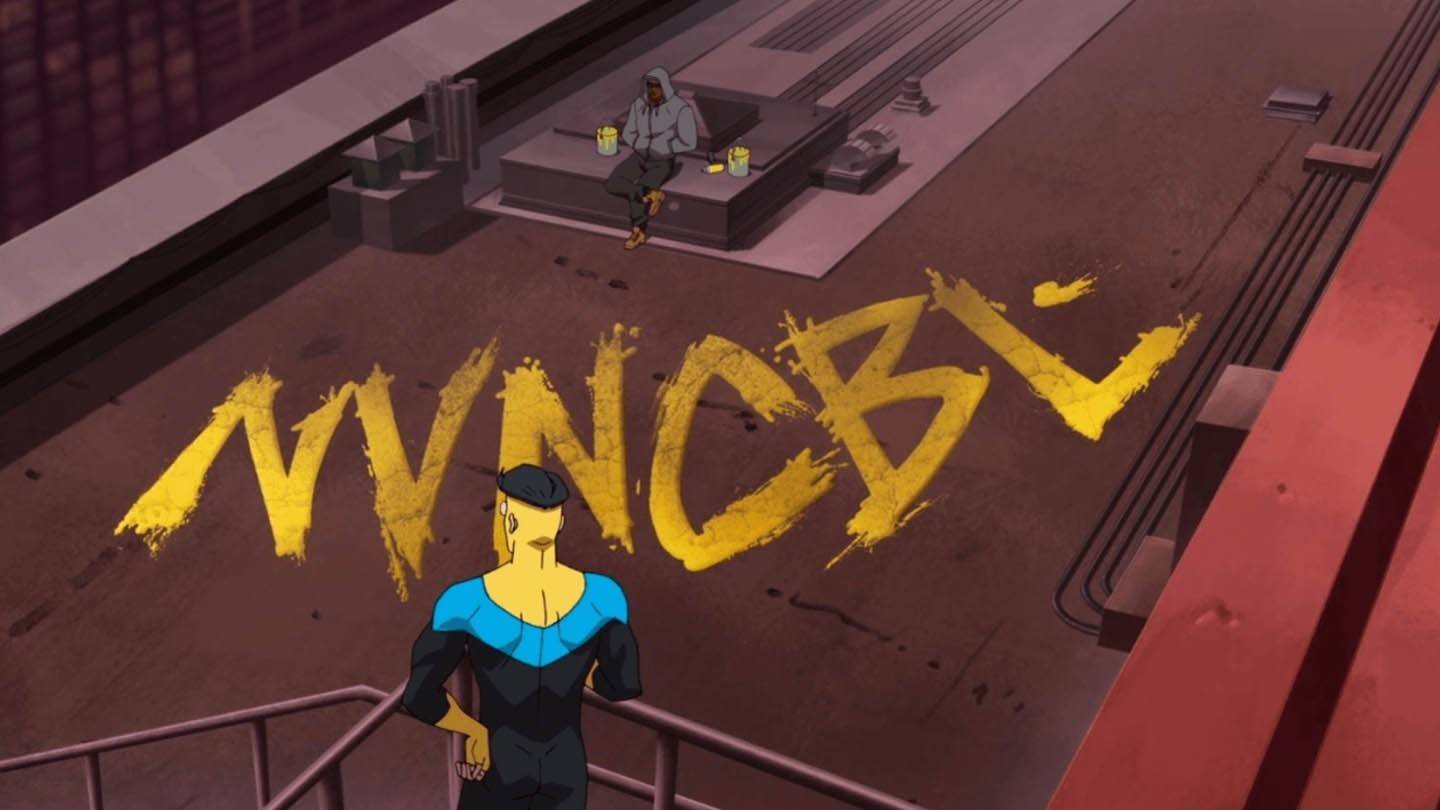 Image: amazon.com
Mark Grayson’s Journey: Compression vs. Gradual Growth
A notable difference is the depiction of Mark Grayson, the central hero. In the comics, his evolution into a superhero spans a prolonged timeline, allowing readers to follow his gradual growth from discovering his abilities to navigating the ethical dilemmas of heroism. This extended pace fosters a rich exploration of his character development.
In contrast, the animated series accelerates Mark's arc, intensifying the narrative's urgency but sacrificing some of the comics' depth. While this keeps the audience hooked, it may leave dedicated fans feeling that parts of Mark's journey were hastened or underexplored.
Supporting Cast Dynamics: Who Gets More Screen Time?
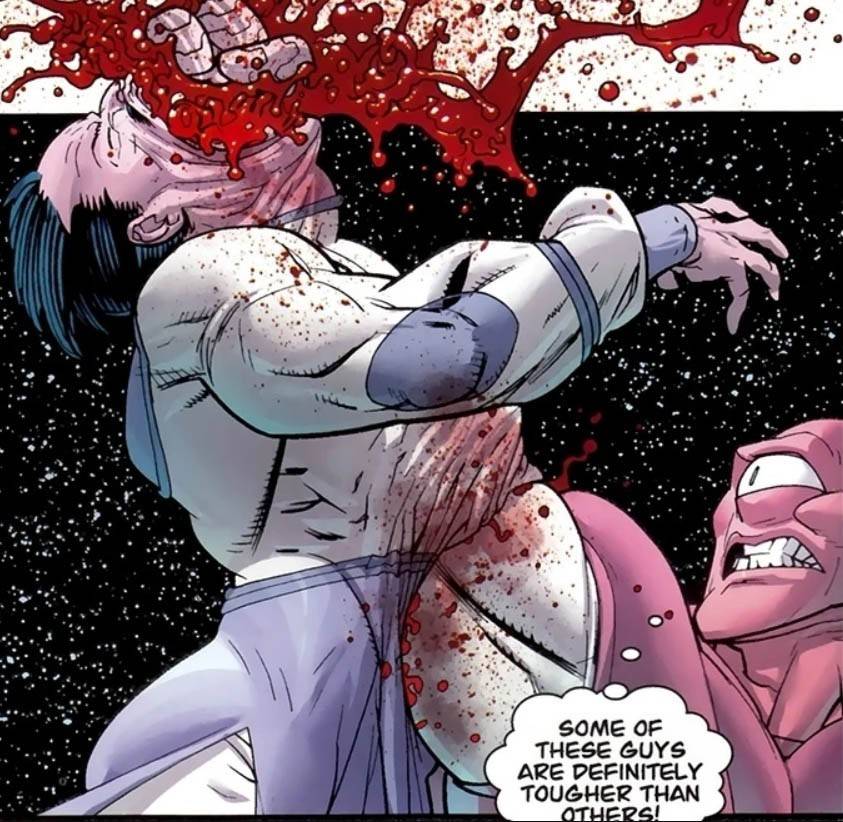 Image: amazon.com
The supporting characters experience significant shifts in the adaptation. Some gain prominence, while others are sidelined. For example, Allen the Alien takes a more prominent role in the series, adding humor and depth to the universe. His expanded presence brings levity to the show's darker tone.
Conversely, characters like Battle Beast see reduced focus, potentially disappointing fans of their comic book exploits. These choices reflect efforts to streamline the story for a broader audience.
Antagonists: Simplified Motivations for Pacing
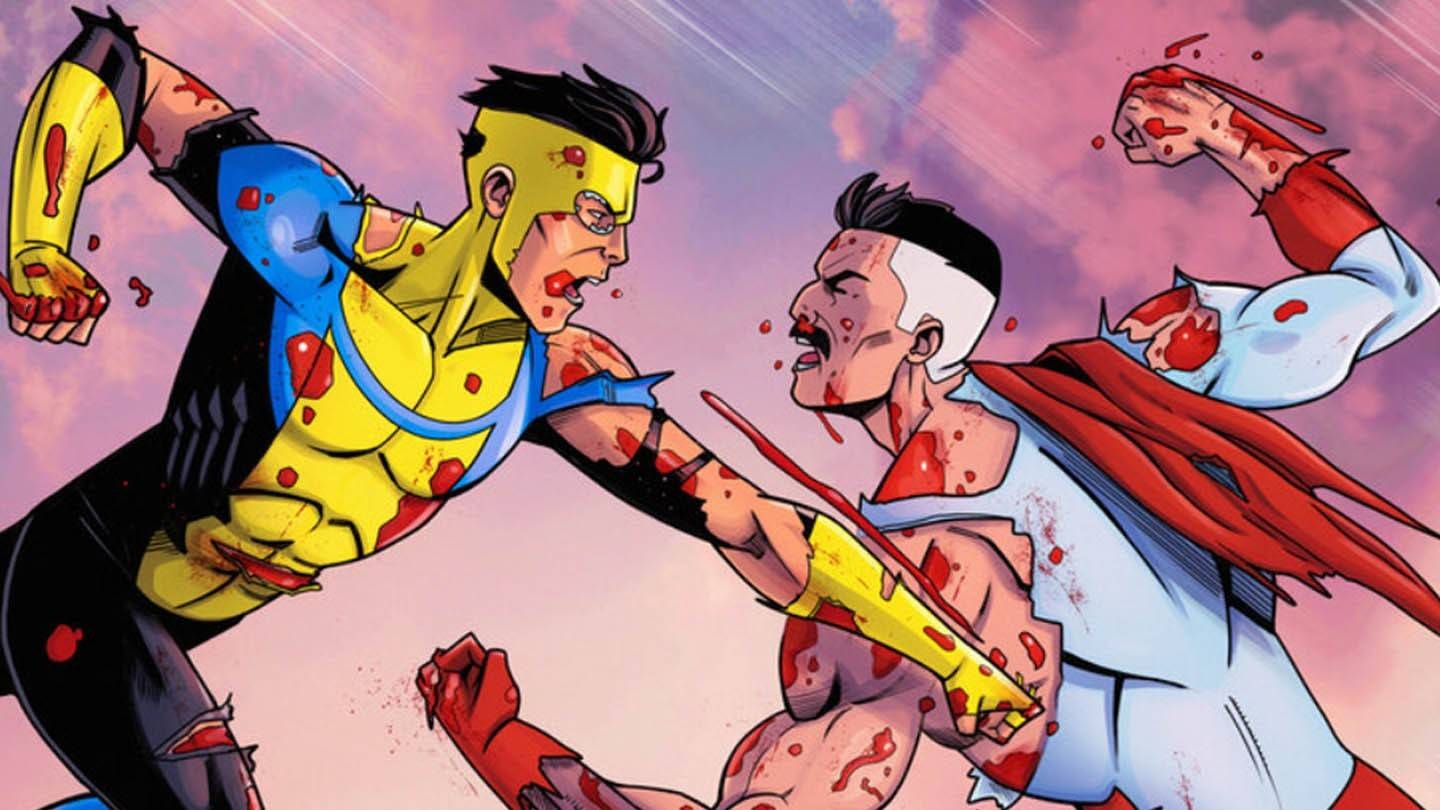 Image: amazon.com
Villains like Conquest and the Shadow Council are given detailed motivations in the comics. The animated series simplifies these for faster pacing, prioritizing dramatic confrontations over intricate backstories. While this makes the narrative more approachable, it risks reducing the antagonists' complexity.
For instance, Omni-Man's betrayal in the series hits with immediate impact, unlike the comics' slower buildup. This shift alters the emotional weight of pivotal scenes and reshapes audience perceptions of the villains.
Action Sequences: Enhanced Visuals and Choreography
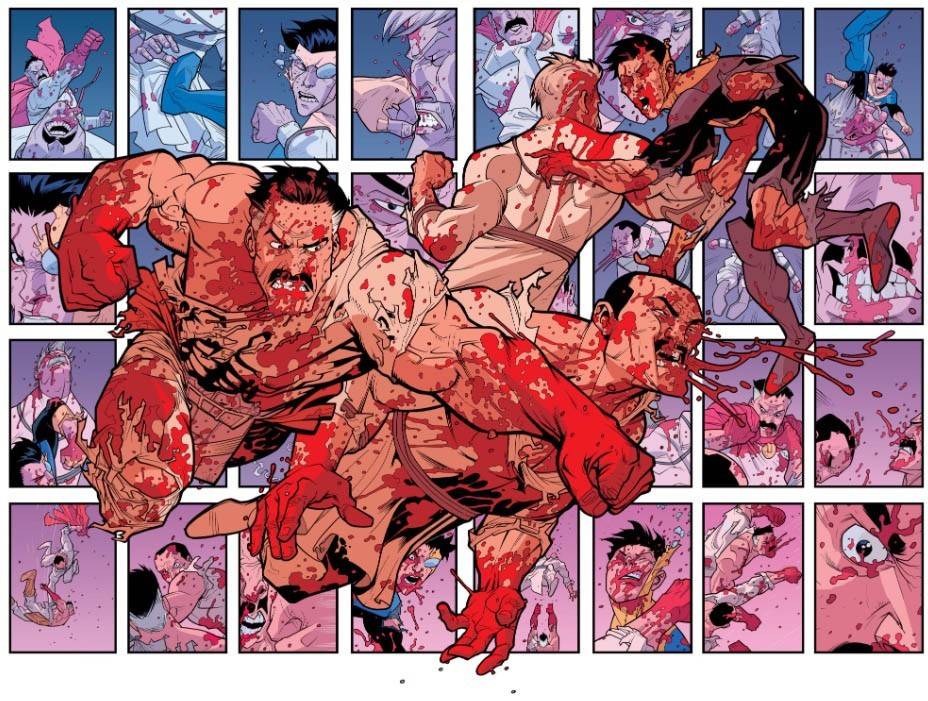 Image: amazon.com
The animated series shines in its action sequences, capitalizing on animation's ability to deliver dynamic choreography and striking visuals. Battles, such as those against the Viltrumites or Conquest, are rendered with vivid detail, rivaling the intensity of live-action films.
Yet, these enhancements sometimes deviate from the comics' depictions. While fans may notice differences in battle portrayals, these changes typically amplify the visual spectacle rather than diminish it.
Thematic Exploration: Emphasis on Morality and Legacy
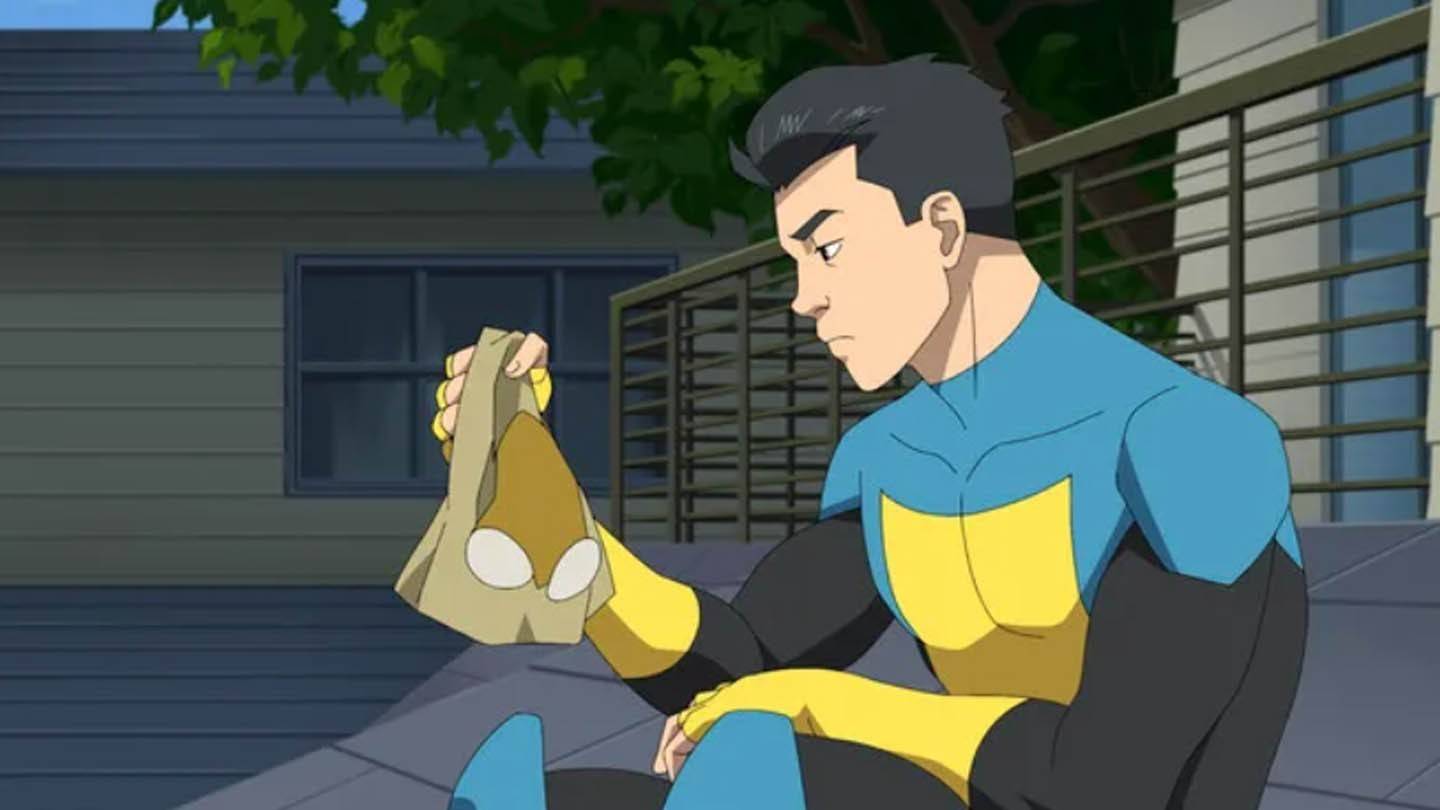 Image: amazon.com
The series emphasizes themes like morality, power, and legacy, tailored to episodic storytelling. Mark's struggle to reconcile his father's actions with his own principles is highlighted more prominently than in the comics.
Other themes, like the philosophical implications of superhuman existence, are less prominent. This focus ensures a cohesive and accessible narrative, even when addressing complex issues.
Season 3 Critique: Why the Magic Fades
Despite the acclaim of its first two seasons, Invincible's third season has disappointed many fans. Here's a breakdown of the issues, with spoilers:
Repetitive Storylines: Treading Familiar Ground
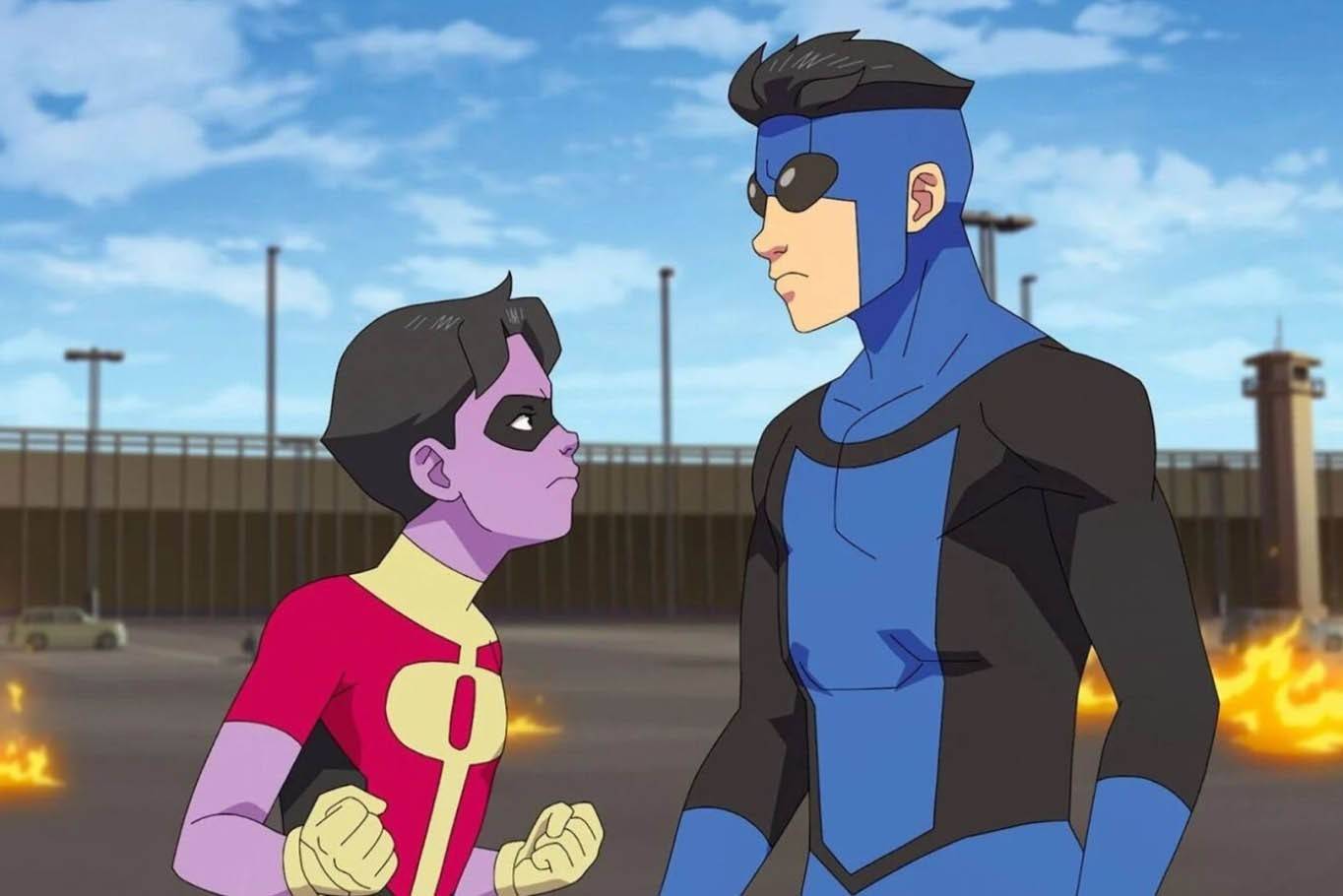 Image: amazon.com
Season 3's reliance on recycled themes and tropes is a common critique. Earlier seasons excelled at surprising viewers with twists like Omni-Man's betrayal or multiverse adventures.
In Season 3, Mark's conflict over his father's legacy reappears, this time tied to his younger brother. While promising, this arc feels repetitive, echoing earlier explorations without fresh perspectives.
Cecil's Subplot: A Missed Opportunity
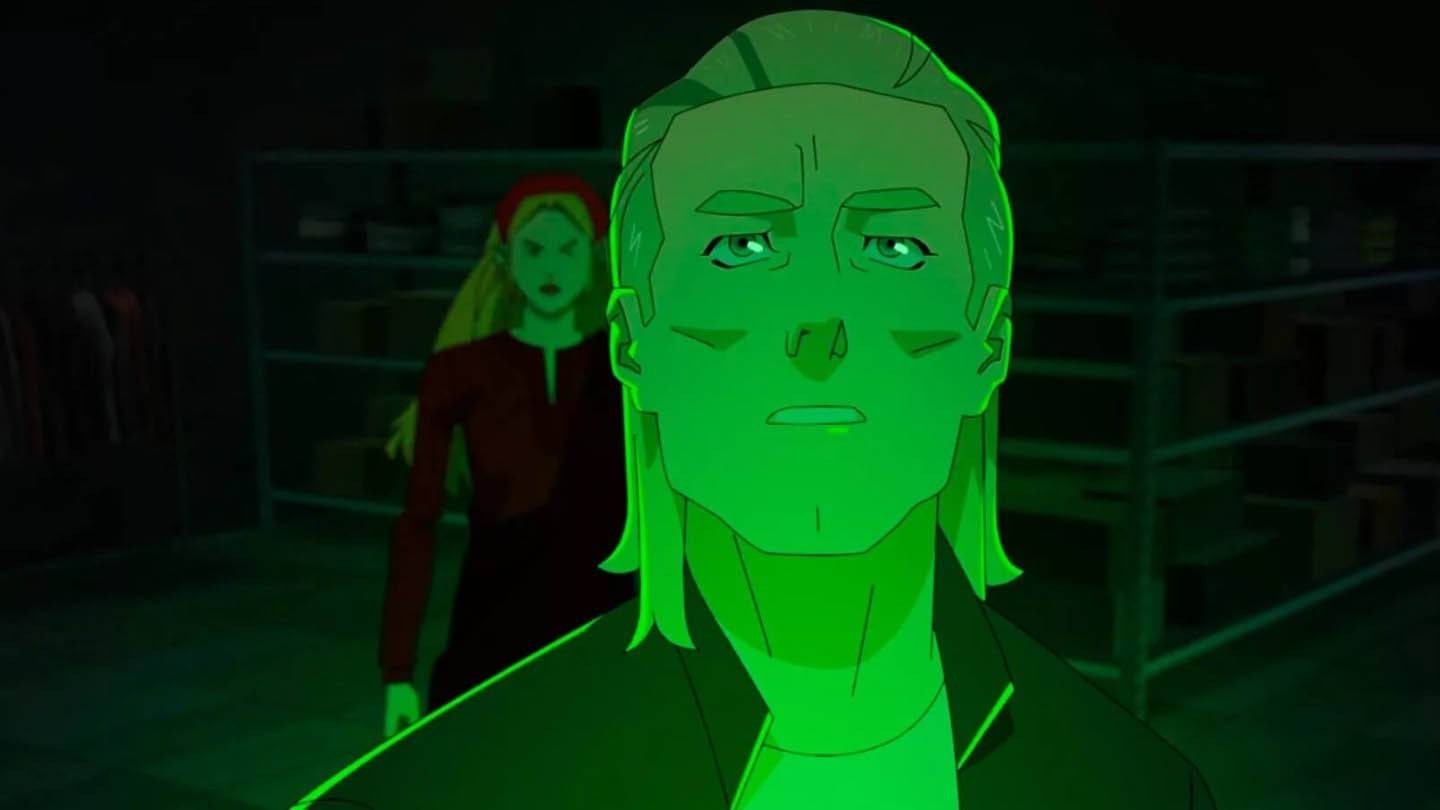 Image: amazon.com
Cecil's subplot, involving reprogramming criminals into model citizens, is intriguing but poorly executed. In a morally complex world, this overly optimistic approach feels simplistic, making Mark's strong reaction seem misplaced.
Without Cecil, you'd be gone, and the world would be in chaos!
This disconnect weakens the subplot's emotional impact, leaving it unresolved.
Lackluster Action: Where Did the Spark Go?
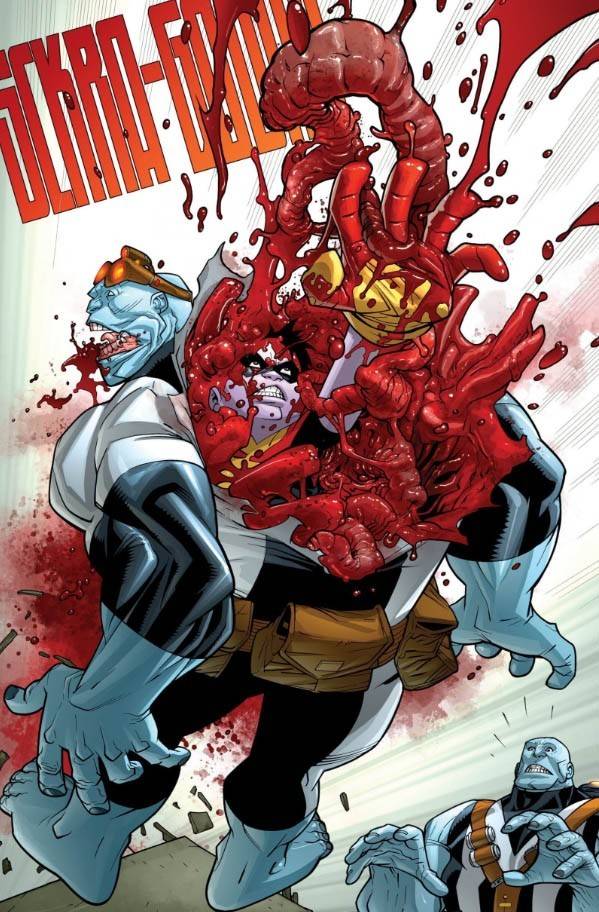 Image: amazon.com
Action sequences, previously a highlight, lose their thrill in Season 3. While violence and tragedy persist, these moments lack the emotional weight of earlier seasons.
Past battles, like those with clones or Omni-Man, were gripping. In contrast, Season 3's encounters with odd robots feel uninspired, lacking stakes and leaving audiences disengaged.
Slow Start: Building Momentum Too Late
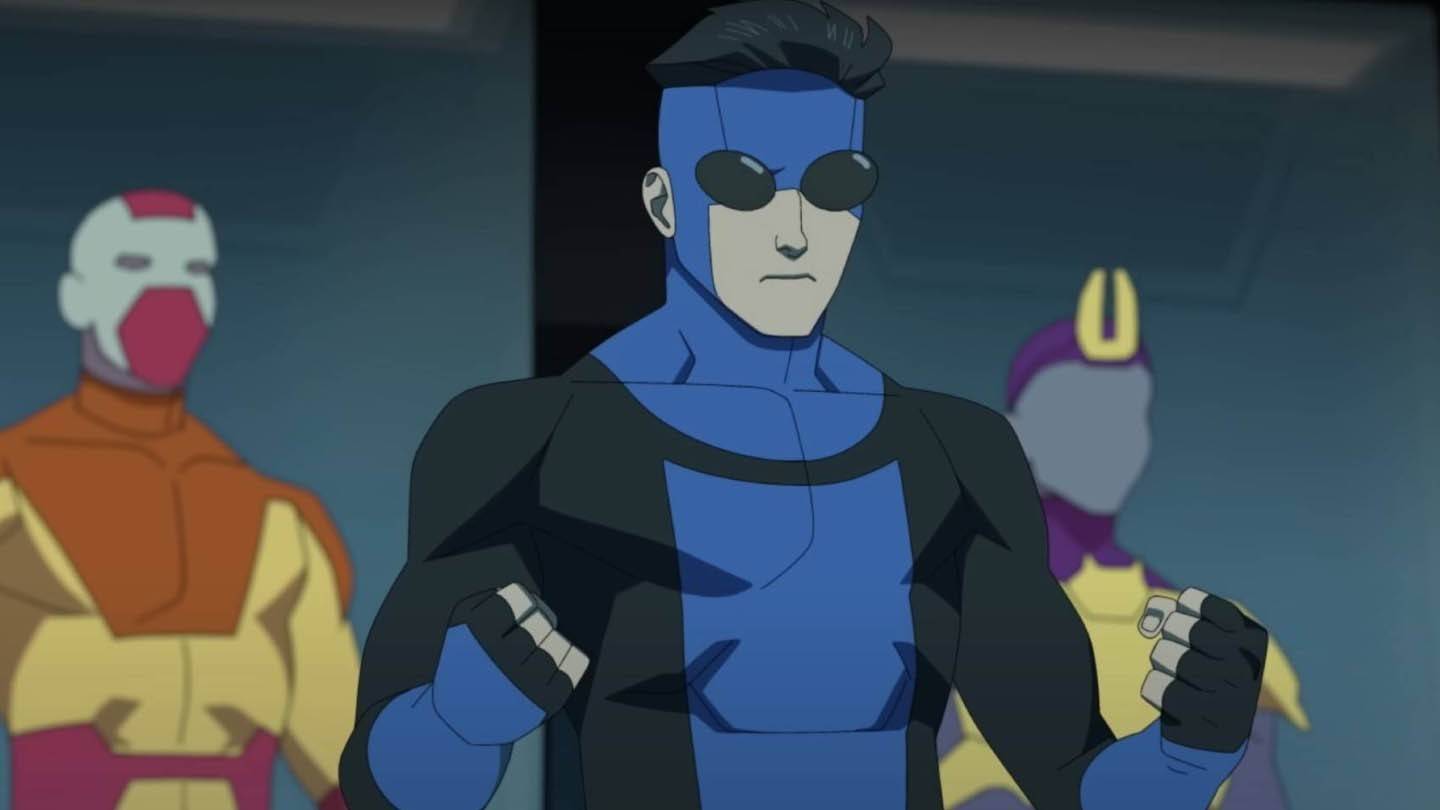 Image: amazon.com
Season 3 starts sluggishly, with generic villains and uninspired threats like strange worms failing to create urgency. Unlike the series' typically explosive openings, this slow pace frustrates fans.
By the time the season gains traction, the initial excitement has faded, leaving viewers waiting too long for a satisfying payoff.
Balancing Adaptation and Innovation
The Invincible series captures the essence of Robert Kirkman's comics while making necessary tweaks for television. By condensing timelines, adjusting character roles, and amplifying action, it crafts a compelling experience for new and longtime fans.
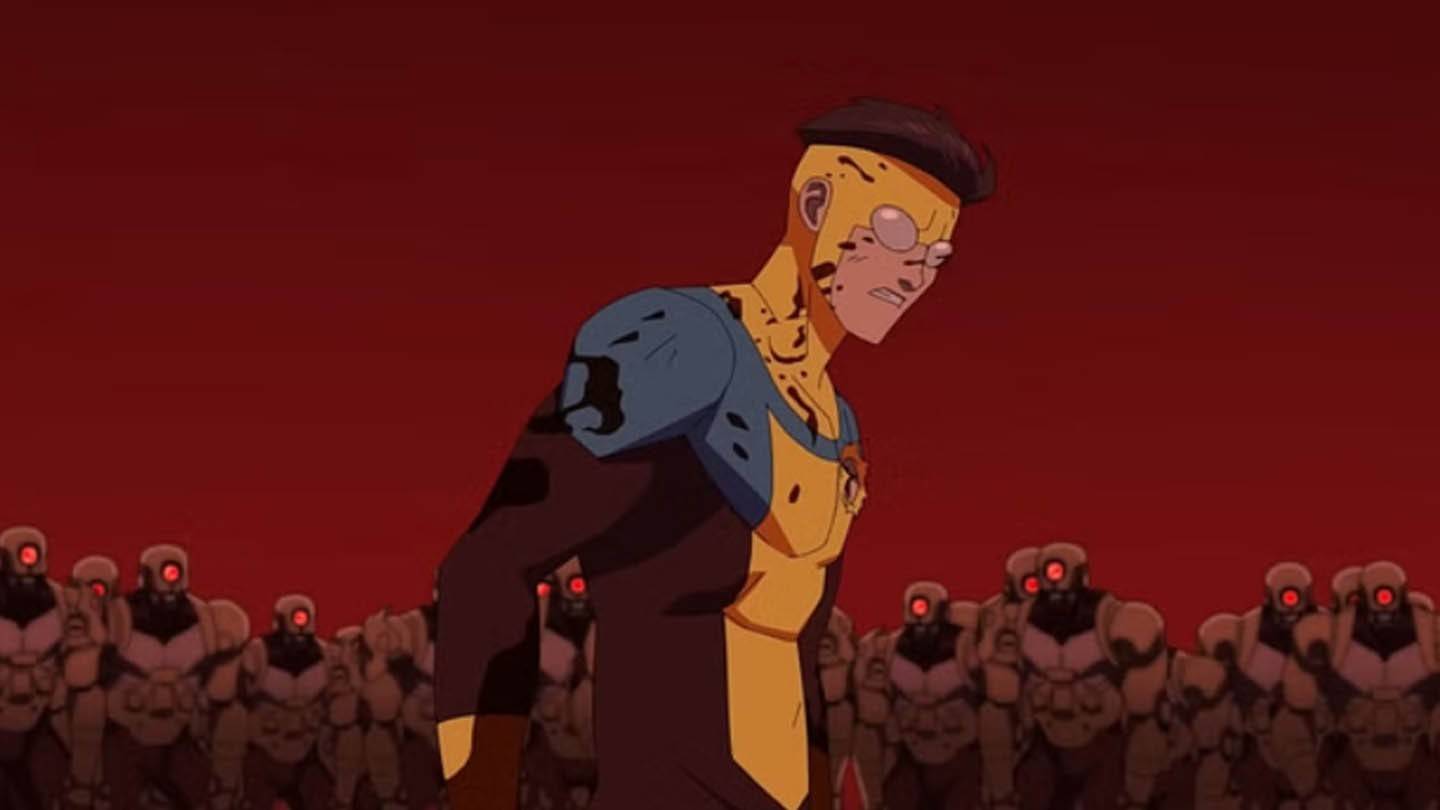 Image: amazon.com
However, Season 3 shows the difficulty of maintaining this balance. Overreliance on familiar tropes or prioritizing spectacle over depth can dilute the original's magic. Future seasons must innovate to keep the story engaging.
Whether you're a comic enthusiast or new to Invincible, the series remains a landmark in modern animation. Its evolution continues to shape our view of impactful storytelling.
Why Fans Should Still Watch (Read With Caution)
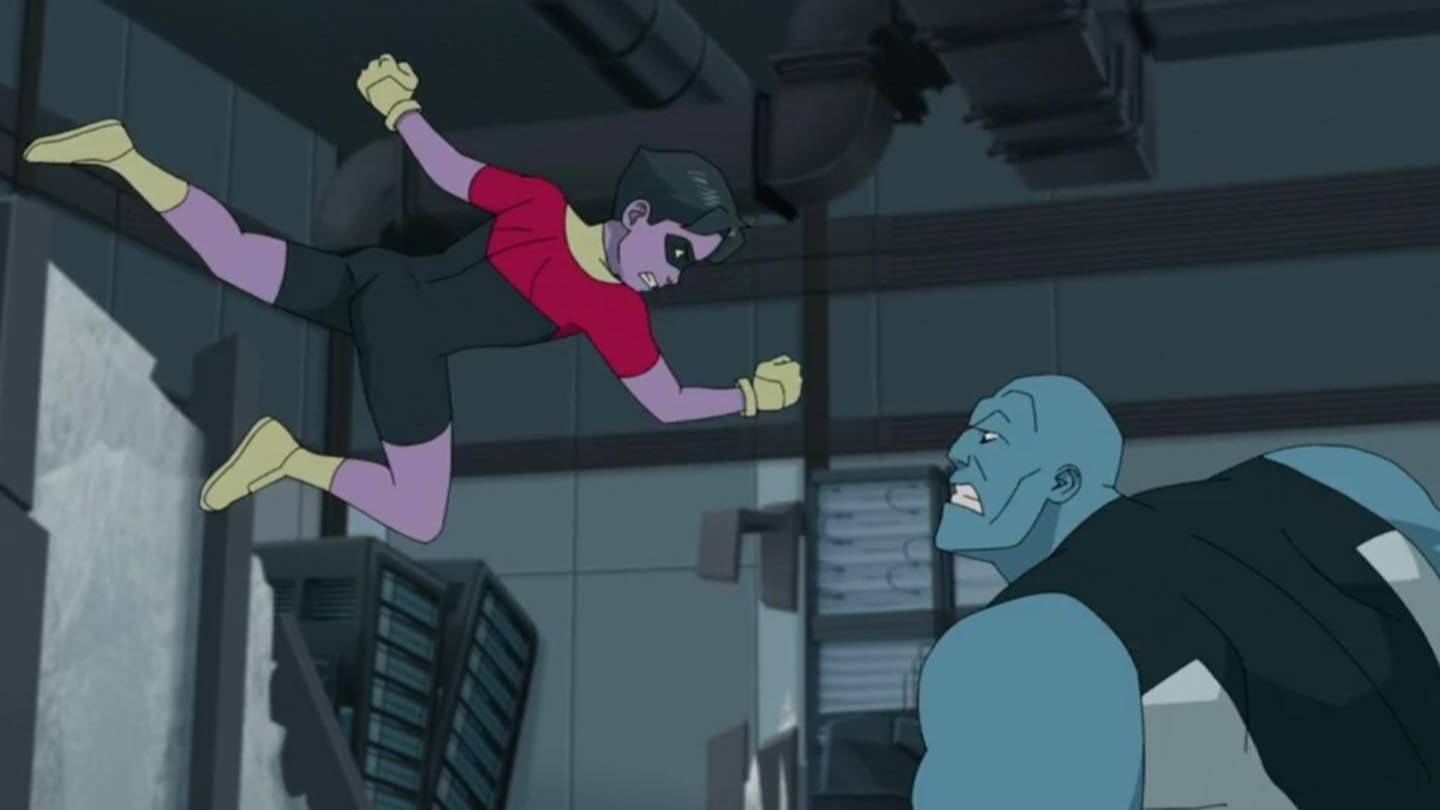 Image: amazon.com
Despite its flaws, Invincible remains a visually stunning and engaging series. Its intense action, rich characters, and thought-provoking themes continue to draw viewers. For those invested, there's ample reason to follow the season's arc.
However, the spark that defined the first two seasons has dimmed, delivering a solid but less remarkable continuation. Fans hold hope that future episodes will recapture the series' brilliance.
With a completed comic as a strong foundation, the question remains: can the series match its source material's impact?
Time will tell.

















![City Devil: Restart [v0.2]](https://img.icssh.com/uploads/38/1719554737667e52b102f12.jpg)