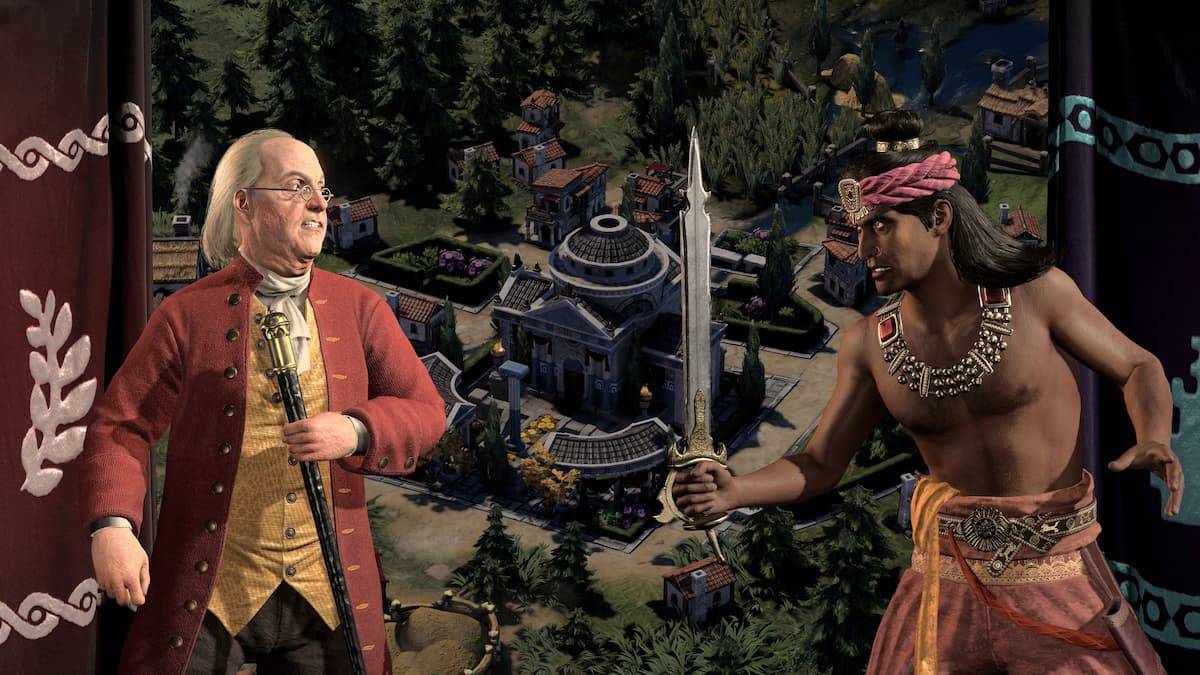
文明VII:すべてのリーダーとその能力への包括的なガイド
このガイドは、 文明VII の現在確認されているすべてのリーダーの詳細な概要を提供します。より多くの情報が利用可能になったので、これを更新します。
| Leader | Unique Ability | Attributes | Agenda |
|---|---|---|---|
| Amina | Warrior-Queen of Zazzau: +1 Resource Capacity in Cities. +1 Gold per Age for each Resource assigned to Cities. +5 Combat Strength on all Units in Plains and Desert. | Economic, Militaristic | Desert of the Warrior-Queen: Decreases relationship with players having more settlements on Plains or Desert tiles; increases relationship with those having none. |
| Ashoka, World Conqueror (Founders Content Pack) | Devaraja: +1 Production in Cities for every 5 excess Happiness. +10% Production in Settlements not founded by you. Declaring a Formal War grants a Celebration. +10 Combat Strength against Districts for all Units during a celebration. | Diplomatic, Militaristic | Without Regret: Decreases relationship with the leader controlling the most tiles, increases relationship with the leader controlling the fewest. |
| Ashoka, World Renouncer | Dhammaraja: +1 Food in Cities for every 5 excess Happiness. +10% Food in all Settlements during a Celebration. All Buildings gain a +1 Happiness adjacency for all Improvements. | Diplomatic, Expansionist | Without Sorrow: Increases relationship with the player having the highest Happiness yield; decreases relationship with the player having the lowest. |
| Augustus | Imperium Maius: +2 Production in the Capital for every Town. Can purchase Culture Buildings in Towns. +50% Gold towards purchasing Buildings in Towns. | Cultural, Expansionist | Restitutor Orbis: Decreases relationship for each Town in other empires; increases relationship for each City (excluding Capital) in other empires. |
| Benjamin Franklin | The First American: +1 Science per Age on Production Buildings in Cities. +50% Production towards construction Production Buildings. +1 Science per Age from active Endeavors you started or supported. Can have two Endeavors of the same type active at a time. | Diplomatic, Scientific | Civic Virtue: Increases relationship with players sharing a Government; decreases relationship with those not sharing a Government. |
| Catherine the Great | Star of the North: +2 Culture per Age on displayed Great Works. Buildings with Great Works gain an additional slot. Cities settled in Tundra gain Science equal to 25% of their Culture per turn. | Cultural, Scientific | Dusha: Decreases relationship with the player having the most Great Works; increases relationship with the player having the fewest. Requires a Great Work to take effect. |
この情報は、 文明VII 内で効果的な戦略を作成するのに役立つはずです。さらなるゲームのヒントと更新については、逃亡者を参照してください。
-
『クラッシュ・オブ・クラン』のレイドが資金調達目標を突破
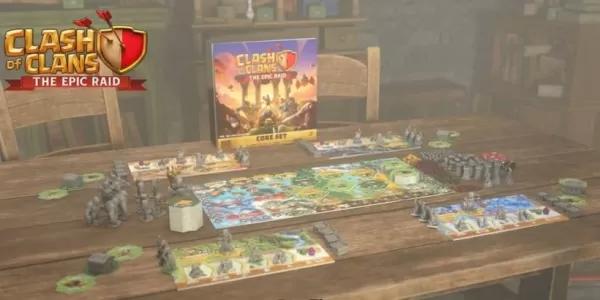
クラッシュ・オブ・クランズ:ザ・エピック・レイドは、クラウドファンディングキャンペーンを無事に終了した最終的な支援額は、当初の目標額の驚くべき9倍に達したこのテーブルトークゲーム版は、フランチャイズ愛好家向けに独占的なゲーム体験を提供するクラッシュ・オブ・クランズ:ザ・エピック・レイドがクラウドファンディングで急速な成功を収めたとき、それを不思議がる人はほとんどいなかった。Supercellの人気戦略タイトルをボードゲーム化した本作は、資金目標をすぐに超え、最終的に当初の目標額の9倍に達した。m
Apr 23,2026 -
It looks like you're referencing a mix of terms related to Call of Duty: Black Ops 6 (BO6), possibly with confusion around a "Premium Content Transfer" feature, "Hints," and "Rating Hints" — but there's currently no official information about Black Ops 6 (which is still in early development as of 2024) that includes:
A "Premium Content Transfer" from BO6 to another game (like from a previous Black Ops title).
A feature called "Rating Hints" in the game.
Or any established "Premium Content" transfer mechanic.
Let’s clarify what might be going on here:
🔍 Possible Interpretations:
Misunderstanding of "Premium Content Transfer"
This phrase might be confusing Black Ops 6 with Call of Duty: Warzone or Black Ops Cold War (BOCW), where:
Players could transfer premium Battle Pass items (like weapon skins, icons, etc.) across platforms via Battle Pass Progression.
However, no "Premium Content Transfer" from BO6 to another game exists yet — because BO6 hasn't released.
If you’re trying to transfer content from a past BO game (like BOCW or BO4), that may have been possible within the same era, but not from a future game.
"Rating Hints" – Likely a Misinterpretation
There is no official feature called "Rating Hints" in any Call of Duty game.
You might be referring to:
Matchmaking hints (e.g., seeing a higher/low rating after a game).
Or player feedback hints (like "You’re getting a boost" in matchmaking).
These are not features labeled as "Rating Hints" in the UI.
"Hints Premium Content" – Could Be a Fan Term or Misphrasing
Fans sometimes refer to "hints" for unlocking premium content (like hidden weapon skins, Easter eggs, etc.).
But again, no official "Premium Content Transfer" from BO6 exists, and no known hints for it.
✅ What We Know (as of 2024):
Call of Duty: Black Ops 6 is expected to release in 2025, developed by Treyarch and published by Activision.
It will likely feature:
A new campaign (possibly set in a modern-day Cold War-style conflict).
A return to traditional multiplayer and Zombies (with new modes).
New progression systems, but no confirmed "Premium Content Transfer" from a prior game.
Any transfer of cosmetic items (like skins, emblems) will likely be within the same game’s ecosystem, not between different BO games.
❓ What Should You Do?
Double-check if you're confusing Black Ops 6 (upcoming) with Black Ops Cold War (2020) or Warzone 2.0 (2022).
If you’re a player trying to transfer content from BOCW or Warzone to BO6, note that:
No official transfer exists yet, and it’s unlikely to happen across different titles.
Your progress and cosmetics in BOCW will stay in BOCW unless you're moving to a new game in the same era (e.g., Warzone 2.0 → Warzone 3.0, which hasn’t happened yet).
🛠️ Final Advice:
Wait for official info from Activision or Treyarch on BO6’s release and content systems.
Check the official Call of Duty website or PlayStation/Xbox/PC Store pages for updates.
Avoid third-party sites promising "premium content transfers" — these are often scams.
If you meant something different (like a mod, fan game, or a specific hint guide), please clarify your context (e.g., "Is there a secret in BO6’s beta?", "Where can I find the premium skin hints?"), and I’ll help you better.
Stay tuned — BO6 is expected to be a big one. 🔫💥
コミュニティがゲーム間のコスメティックアイテム連携の可能性を解明コール・オブ・デューティー ブラックオプス7のESRB分類情報に浮上した証拠から、プレイヤーがブラックオプス6で使用していた高級な武器のコスメティックアイテムを引き継ぐ可能性があるとされている。成年者向けとされる本作の分類情報には、「マリファナをテーマにしたアクセサリーを装備した銃器」が含まれていると記されており、この記述がBLOPS6の議論を呼ぶ「ダンク・デイズ」バンドルと関連付けられている。マリファナ戦争か、巧妙な連続展開か?E
Apr 22,2026 -
ホワイトアウト サバイバルがBlueStacks経由でMacでも遊べるに
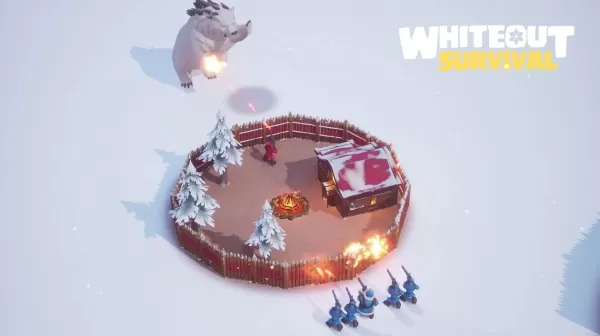
Whiteout Survivalは、プレイヤーが資源を管理し、生存者を率い、厳しい状況の中で生き残る戦略的なサバイバルゲームです。このゲームはモバイルで世界的なヒットとなっていますが、多くのプレイヤーはより最適化された体験を大きなスクリーンで求めています。BlueStacks Airにより、Whiteout Survivalおよび他の多数のAndroidタイトルをMacでネイティブに楽しむことが可能になります。BlueStacks Airがどのようにあなたのプレイ体験を向上させているかをチェッ
Apr 17,2026 -
任天堂、スイッチ2発売前に公式「在庫切れ」看板を設置
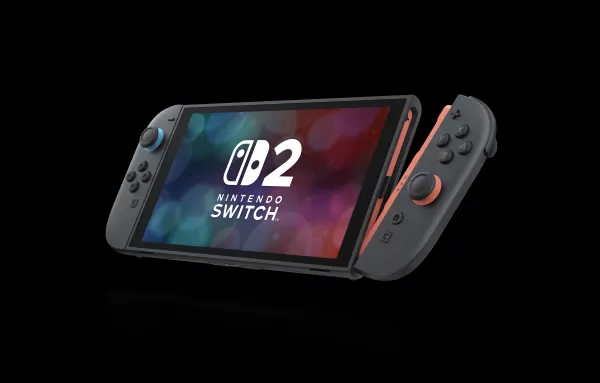
任天堂は、コンソールが公式に販売開始になる前に小売店に対して「在庫切れ」の看板を送り始めているようです。6月5日(木曜日)から2日後にSwitch 2の発売が始まるため、任天堂は需要が初期供給量を大幅に上回るだろうと予想しています。RedditおよびVGCで共有され、報じられたこれらの公式な「在庫切れ」看板は、現在、米国店舗でのコンソールおよび『マリオカート ワールド』という発売タイトルの通常の宣伝物とともに到着しています。「任天堂からこの看板を入手しました」と、ミッドナイト販売イベントを計画し
Apr 14,2026 -
任天堂がドンキーコングのリデザイン後にクラシックキャラクターを修正
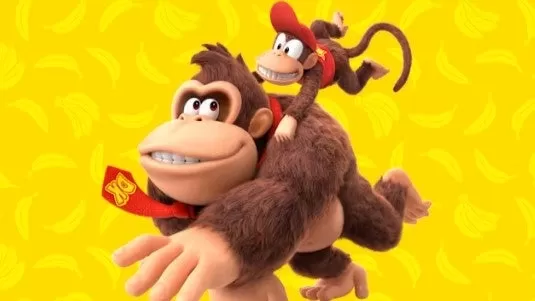
ニンテンドーは、長年の仲間であるドンキー・コングの見た目を変更した後、ディディー・コングのアップデートされたデザインを明らかにしました。今年初め、ニンテンドーファンの一部が公式アートワークや『マリオカート ワールド』の初期プレイ映像でドンキー・コングの見た目に顕著な変更を観察しました。現在、ライセンスエクスポ2025という米国ラスベガスで開催中のイベントにおいて、公式ウェブサイトアートワークやブランディング資料を通じてニンテンドーはディディー・コングのアップデートされたビジュアルを明らかにしまし
Apr 14,2026 -
Slayaway Camp 2: Puzzle Horror has made its way to Android, delivering a chilling blend of puzzle gameplay and psychological horror that fans of the original will appreciate—and perhaps dread.
Released as a direct sequel to the cult-hit Slayaway Camp, the game continues the dark, twisted narrative of a deranged killer stalking campers at a secluded summer camp. This time, however, the gameplay shifts heavily toward puzzle mechanics, with players taking on the role of either the killer or the victims—depending on the mode—navigating complex environments, solving environmental puzzles, and making morally ambiguous choices that impact the story’s outcome.
Key features of Slayaway Camp 2: Puzzle Horror on Android include:
Immersive Puzzle Mechanics: Use logic, timing, and environmental awareness to set traps, disable alarms, or escape from deadly situations.
Dual Perspectives: Switch between the killer’s ruthless strategy and the victim’s desperate survival instincts to uncover the full story.
Atmospheric Sound Design & Music: Haunting audio cues and eerie ambient tracks heighten the tension with every move.
Multiple Endings: Your choices matter—each puzzle solved or failed alters the fate of the campers and the killer’s path.
Mobile-Optimized Controls: Intuitive touch-based mechanics tailored for Android devices, with smooth performance across a range of hardware.
Cult Classic Reimagined: A darker, more narrative-driven experience that builds on the original’s controversial yet compelling lore.
Note: Due to its mature themes, graphic violence, and psychological horror elements, Slayaway Camp 2: Puzzle Horror is rated for players 17+ and may not be suitable for all audiences.
Available now on the Google Play Store, the game has received mixed but largely intrigued reviews for its bold direction and unique fusion of puzzle and horror. Fans of Five Nights at Freddy’s, Amnesia, or The Medium may find it particularly compelling.
Download it today—but be warned: not every puzzle has a happy ending.
🎮 Available on Android via Google Play
🔔 Rated 17+ – Mature Content Warning
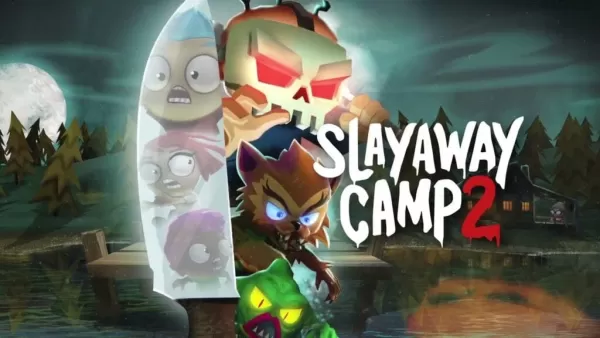
Slayaway Camp 2: Puzzle Horror is now officially live on Android — and it’s a bloody, brain-teasing delight for fans of horror, puzzles, and absurd humor. As the long-awaited sequel to the cult-favorite Slayaway Camp, this new entry steps up the stak
Apr 10,2026







- Switch 2の発売日、仕様、価格、ニュース、噂など Nov 20,2022
- Girls' FrontLine 2: Exilium のベストチームとパーティー (2024 年 12 月) Jan 04,2025
- 強力なAMD Zen 5 9950x3d、9900x3d、および9800x3dゲームCPUが利用可能になりました Mar 16,2025
- 2025年4月のリリース日に明らかになった日々が再考されました Mar 06,2025
- 王朝の戦士の起源:FAQガイド Apr 13,2025
- 2024 年で最も魅力的なビジュアル ノベルを発表 Jan 26,2025
- 2025年1月:最終戦争サバイバルゲームのキャラクターランキング Apr 17,2025
- ESAは、単なる切り替えを超えてトランプの関税を真剣に検討することを促します2 May 14,2025

![City Devil: Restart [v0.2]](https://img.icssh.com/uploads/38/1719554737667e52b102f12.jpg)