
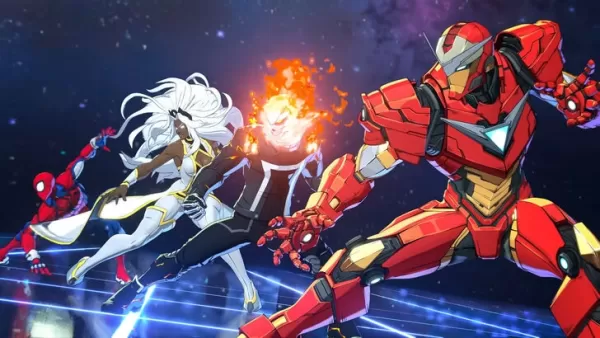
With a wave of new fighting game announcements, a classic subgenre is poised to reclaim the spotlight: tag team fighters. Discover what these recent reveals mean, why now is the perfect time for their resurgence, and what to expect.
An Unlikely Fighting Game Revival
Let’s be honest. The fighting game community is hungry for something fresh given the current landscape.
Tekken 8 has faced player discontent over its social media communication and controversial balance decisions tied to its data collection methods. NetherRealm Studios appears to have moved on from Mortal Kombat 1 following its Definitive Edition, leaving the community with little new information. Guilty Gear Strive continues as the primary active 2D anime fighter, while Fatal Fury has underperformed in sales despite strong critical reception. Meanwhile, Street Fighter 6's latest season has failed to energize players, lacking impactful meta shifts or the cosmetic variety seen in earlier releases.
So yes, fighting games aren't exactly thriving at the moment. Major titles are failing to connect with audiences, leading to a sense of stagnation. Players are either adapting to the current state or switching to more enjoyable alternatives. To be clear, the genre isn't dying—it's just become monotonous to watch. What’s more disheartening is the pervasive negativity within communities regarding the present situation.
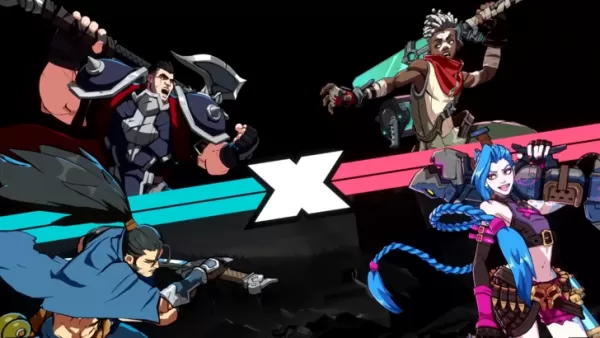
What's needed is a dose of innovation, excitement, and welcome chaos compared to today's offerings. Suddenly, Marvel Games partners with Arc System Works on a new tag fighter, the team behind Killer Instinct (2021) announces an Invincible fighting game, Riot shares a developer update for its long-awaited fighter, and the upcoming Hunter x Hunter tag team game generates unprecedented anticipation.
As a fighting game enthusiast, I'm thrilled by these developments. Witnessing players unleash devastating setups into touch-of-death combos offers a unique thrill that traditional fighters can't replicate. But how did we reach this point? What's driving the return of tag fighters?
A Comeback That's Been Years in the Making
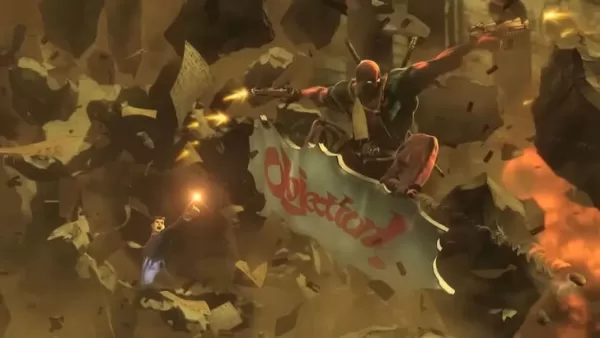
First, let’s examine the context before these announcements. The tag fighter genre has clearly declined in recent years. Since Dragon Ball FighterZ launched in 2018, no other tag fighter has reached its level of popularity. The only title that remains more celebrated is Ultimate Marvel vs. Capcom 3, widely regarded as the greatest tag fighter ever made.
Looking at the genre's evolution, few games have managed to capture significant attention. Marvel vs. Capcom Infinite, the follow-up to UMvC3, received criticism for its underwhelming visuals and limited roster compared to its predecessor.
Other releases like BlazBlue: Cross Tag Battle, Skullgirls, and Power Rangers: Battle for the Grid never reached the mainstream appeal of major tag fighters. Reasons vary—some attribute it to niche intellectual properties compared to giants like Dragon Ball and Marvel, while others point to specific gameplay mechanics.
Mastering the Mayhem
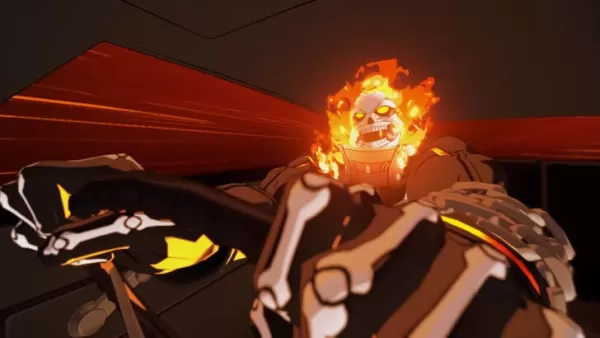
To grasp the excitement, we should first define what makes a tag fighter. These games typically feature teams of two or three characters per player, leading to larger rosters and deeper strategy. A key feature is the "Assist" mechanic, allowing off-screen teammates to attack while you control another character. This core mechanic distinguishes tag fighters from team-based games like King of Fighters, which lack assist functionality.
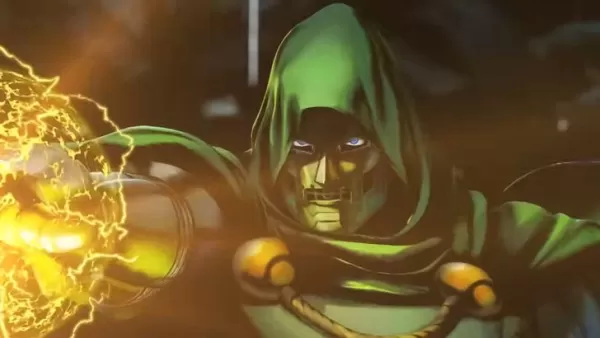
The primary appeal of tag fighters lies in the strategic depth offered by their mechanics and team-building possibilities. Finding perfect character synergy is crucial for success. A famous example is the UMvC3 team refined by top player Christopher "ChrisG" Gonzales, featuring Morrigan Aensland, Doctor Doom, and Vergil.
This team's strength stems from flawless role execution and synergy. Morrigan's "Astral Vision" super makes her an exceptional zoning character, Doctor Doom provides elite pressure with his Homing Missiles assist, and Vergil serves as the ultimate anchor with the comeback-enhancing X-Factor.
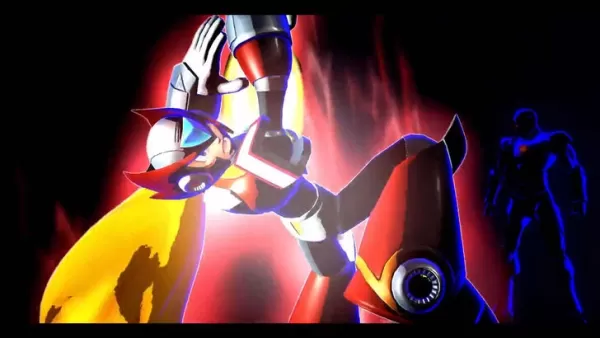
Other notorious teams include Zero May Cry (Zero, Dante, Vergil) and MDP (Magneto, Doctor Doom, Phoenix). Some compositions achieve remarkable success without relying on top-tier individual characters.
Consider Javier "IHeartJustice" Funes-Morales' team of Captain America, Phoenix Wright, and Doctor Strange. Another standout is Genki "ABEGEN" Abe's unconventional lineup of Tron Bonne, Thor, and She-Hulk. These teams stood out through ingenious character synergy, even with characters typically considered lower-tier.
Both squads maximized their characters' strengths—IHeartJustice used assists to enable Phoenix Wright's evidence-collection gameplay, while Abegen's team combined super moves and special attacks for devastating damage despite mid-to-low tier ratings.
This design philosophy encourages maximum creativity and experimentation, offering nearly limitless strategic possibilities.
New Contenders Enter the Arena
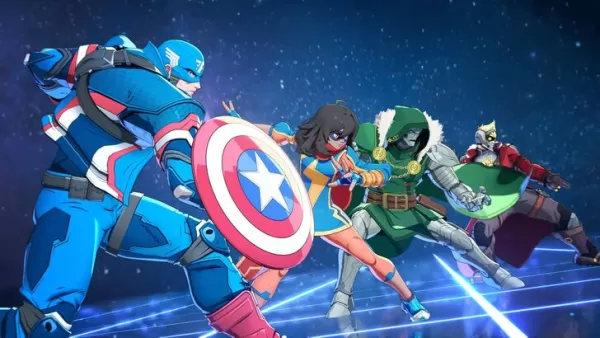
After covering the basics, what upcoming tag fighters should we watch for? Four highly anticipated titles have either been officially revealed or scheduled for release.
2XKO
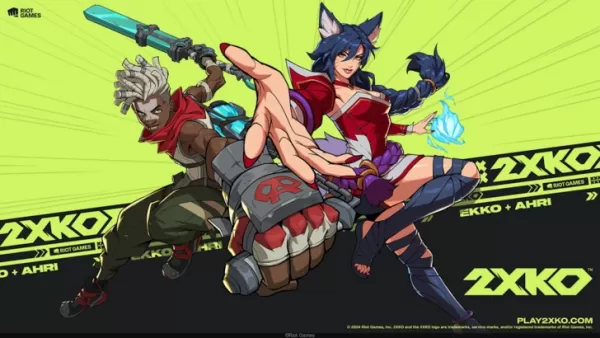
Anyone following fighting games has likely heard of 2XKO. Officially announced in 2024 after years in development, this free-to-play 2v2 tag fighter brings League of Legends champions to the genre with simplified special moves and team mechanics.
However, the game still lacks a concrete release date, leaving fans waiting. Many feel Riot missed an opportunity by not launching sooner, especially with no direct competition in the genre and the advantage of a globally recognized IP with established esports infrastructure.
Hunter X Hunter NEN IMPACT
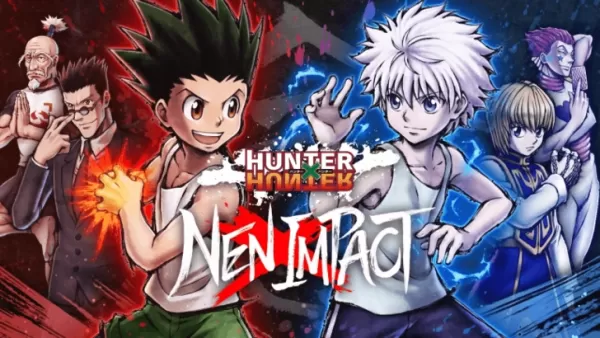
The first major release arrives on July 17, 2025 for PC (Steam), PlayStation 5, and Nintendo Switch. This 3v3 tag fighter lets players assemble teams with unique abilities, utilizing classic mechanics like assists and tag super combos.
Hunter x Hunter stands as a landmark shonen manga celebrated for its compelling characters, intricate storytelling, and spectacular battle sequences. This adaptation feels long overdue, with few games doing justice to the series—fighting games naturally highlight character abilities and combat styles.
Critically, the development team includes creators of Ultimate Marvel vs. Capcom 3, raising expectations for similarly explosive interactions and powerful team strategies. Early footage suggests the same high-speed, volatile gameplay that made Marvel 3 legendary, where movement is fluid, combos are extensive, and superior teamwork can overcome even the strongest individual characters.




















![City Devil: Restart [v0.2]](https://img.icssh.com/uploads/38/1719554737667e52b102f12.jpg)